
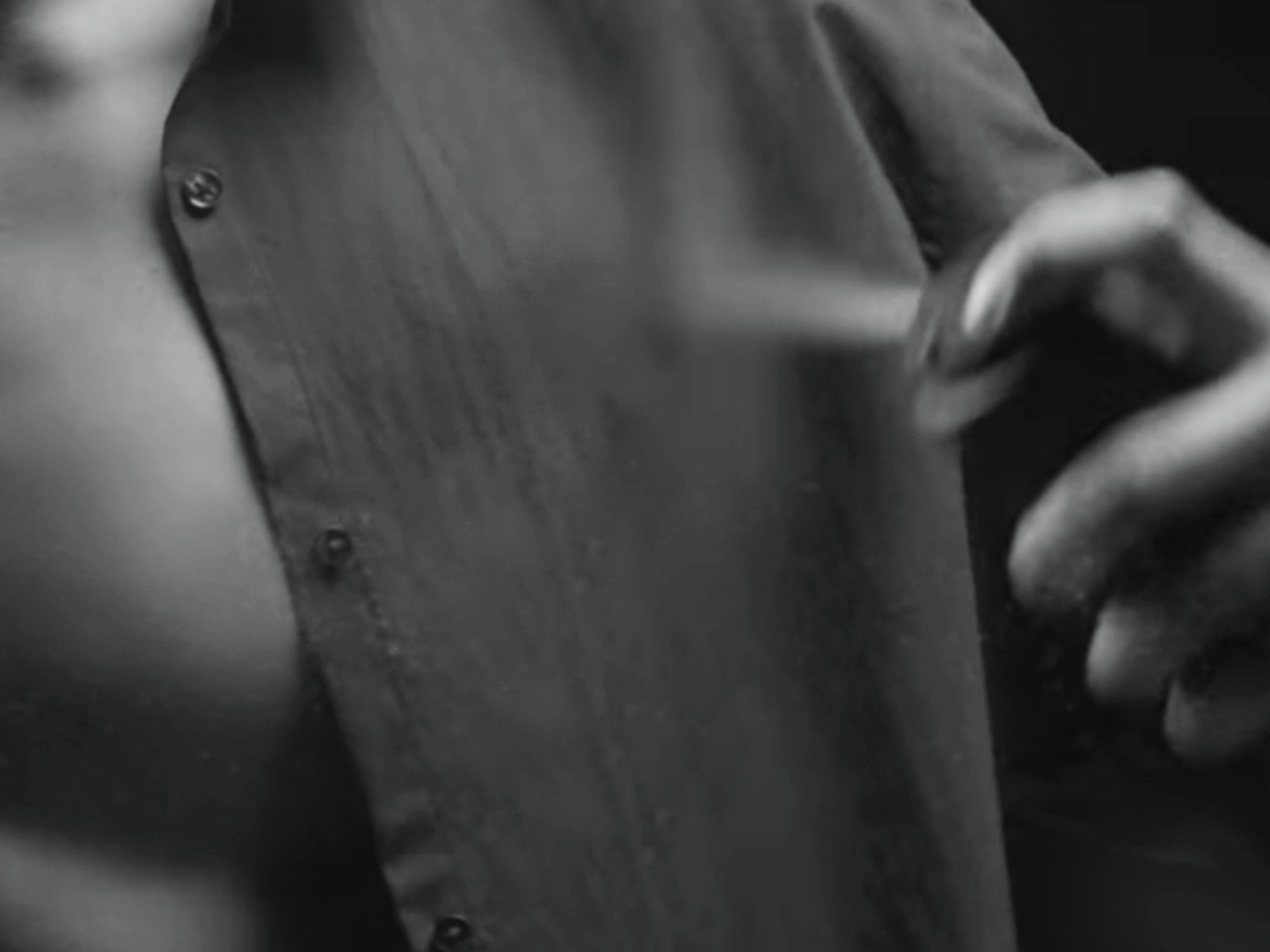
When you feel nervous perspiration starting, take immediate steps to cool your body. Loosen tight clothing, like a blazer or tie, to allow air circulation. Simultaneously, sip on cold water. This helps regulate your internal body temperature and can calm your system.
We've all been there: the big moment arrives, and suddenly, those nerves kick in, leading to unwelcome anxiety sweating. Whether it's a crucial interview or a significant presentation, nervous perspiration can undermine your confidence. But what if you could take control? This guide will help you understand and effectively manage anxiety sweating, empowering you to stay cool, calm, and collected when it matters most.
Key Takeaways for Managing Anxiety Sweating
- Understand anxiety sweating as a normal physiological response to stress.
- Implement immediate cooling and relaxation techniques to calm your system.
- Utilize effective antiperspirants for reliable and lasting sweat protection.
- Adopt long-term lifestyle adjustments, including diet and exercise, to reduce nervous sweating.
- Seek professional advice if excessive sweating persists or significantly impacts your life.
Understanding the triggers and mechanisms behind nervous sweating is the first step towards managing it effectively. We'll explore why our bodies react this way and provide actionable strategies to help you maintain composure and dryness, even in high-pressure situations. Let's dive into what causes anxiety sweating and how you can confidently tackle it.
Understanding Anxiety Sweating: What It Is and Why It Happens
Sweating is a natural bodily function, but it's not always about cooling down after physical activity. Anxiety sweating, also known as nervous perspiration, is your body's physiological reaction to stress, nerves, or excitement. It's triggered by an increased heart rate and a surge of adrenaline, often feeling sudden and intense. Rest assured, this response is entirely normal and a common experience for many.
Effective Strategies to Manage Nervous Sweating
If you experience persistent or excessive sweating, especially when linked to anxiety or social situations, it's always wise to consult a healthcare professional. They can help identify any underlying conditions and develop a tailored plan to manage your specific needs, ensuring you find the most effective solutions.
By implementing these strategies, you can gain better control over nervous sweating, boosting your confidence and allowing you to focus on what truly matters. Take charge and feel unstoppable.
Embrace Confidence: Conquering Anxiety Sweating
Anxiety sweating doesn't have to hold you back. By understanding its triggers and applying practical strategies, from immediate cooling to long-term lifestyle adjustments, you can significantly reduce its impact. Empower yourself with effective antiperspirant protection and mindful practices to face any situation with renewed confidence and a fresh outlook. Take control and step forward feeling your best.
Frequently Asked Questions About Anxiety Sweating
Anxiety sweating is a physiological response to stress or nervousness. When you feel anxious, your body releases adrenaline, which increases your heart rate and body temperature, prompting your eccrine glands to produce sweat as a cooling mechanism. It's your body's natural 'fight or flight' reaction.
Yes, certain dietary choices can impact your sweating. Stimulants like caffeine can heighten your nervous system's activity, potentially increasing perspiration. Spicy foods can also raise your body temperature, leading to more sweat. Opting for a balanced diet and staying hydrated can help manage this.
Antiperspirants work by temporarily blocking your sweat ducts, reducing the amount of sweat that reaches your skin's surface. For anxiety sweating, a strong antiperspirant provides a reliable barrier, helping you stay dry and feel more confident, even when nerves strike.
For immediate relief, try to cool down by finding a cooler spot or loosening clothing. Sipping cold water can help regulate body temperature. Deep breathing exercises can also quickly calm your nervous system, reducing the adrenaline surge that causes sudden sweating.
If your anxiety sweating is severe, persistent, significantly impacts your daily life, or is accompanied by other concerning symptoms, it's advisable to consult a healthcare professional. They can rule out underlying medical conditions and discuss effective management or treatment options.
Regular physical activity is a powerful tool for managing anxiety and stress, which are primary triggers for nervous sweating. Exercise helps release endorphins, improves mood, and can regulate your body's stress response over time, potentially reducing the frequency and intensity of anxiety-induced perspiration.
Explore More Tips for Confidence and Freshness
Discover more related articles and expert tips to boost your confidence and stay fresh.
Explore More Tips for Confidence and Freshness
- slide 1
- slide 2