
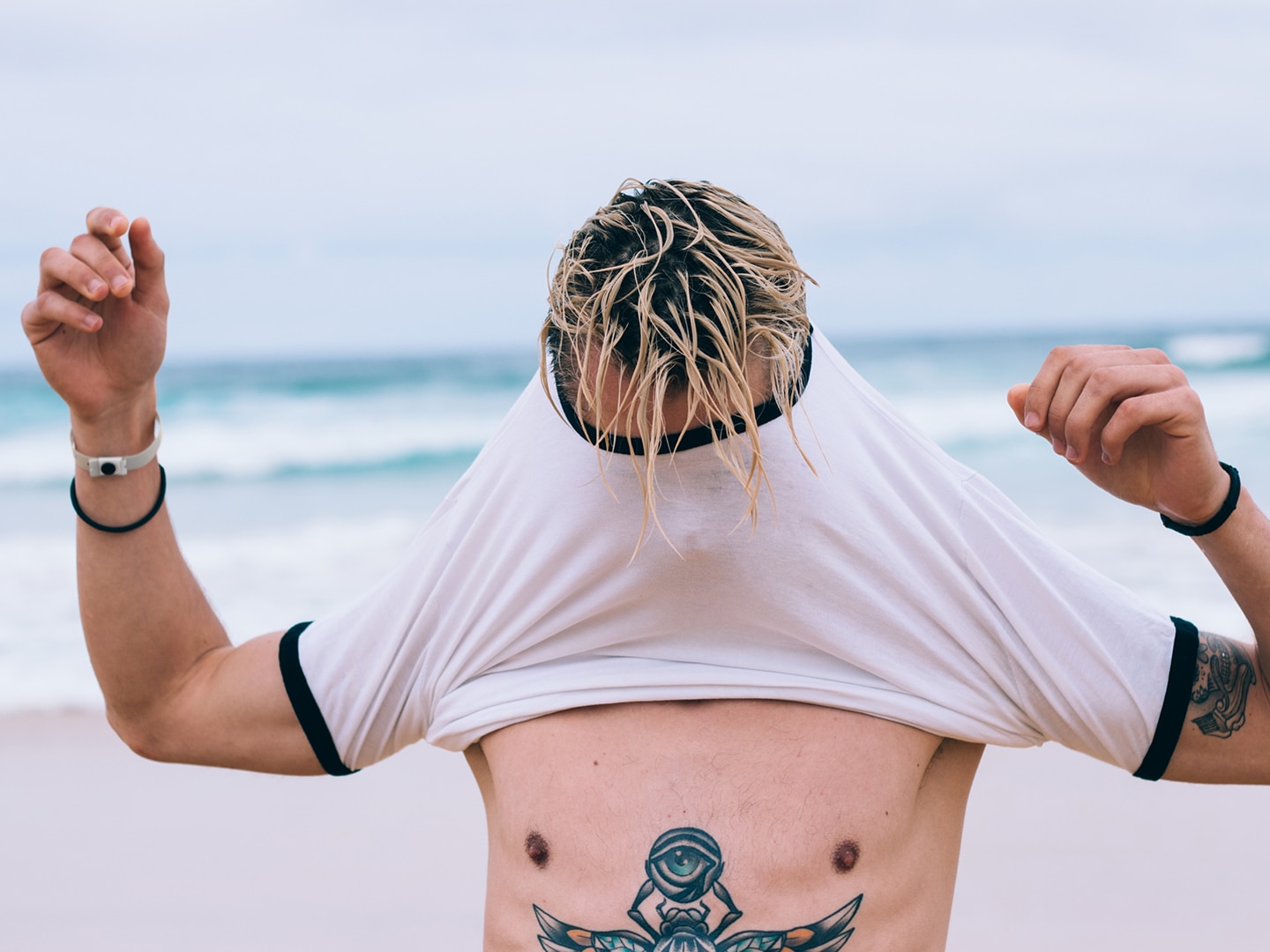
When it comes to antiperspirant, less is often more. A thin, even layer is all you need for effective protection. Applying too much can lead to excess product sitting on your skin, which then transfers to your clothing and contributes to yellow discolouration on your white tees.
The classic white tee is a wardrobe staple, reflecting confidence and effortless style. But nothing ruins that look faster than stubborn yellow sweat stains. We understand the frustration when your favourite white shirt starts showing those unwelcome marks.
Many of us wonder what causes these yellow sweat stains and, more importantly, how to prevent sweat stains from appearing in the first place. You're in the right place! We're here to help you keep your white tees looking fresh and clean, so you can wear them with confidence every day.
Key Takeaways:
- Stain Cause: Yellow sweat stains result from aluminium compounds in antiperspirants mixing with sweat proteins, not from sweat alone.
- Application Timing: Apply antiperspirant at night for best results. This allows the product to dry completely before dressing, preventing transfer to clothing.
- Product Choice: Consider aluminium-free deodorants to help prevent yellowing. Clear-formula sticks and quick-drying sprays also minimize fabric contact and staining risk.
- Amount Matters: Use thin, even layers of antiperspirant. Excessive application creates buildup that clings to fabric, causing discolouration on white shirts.
- Wash Regularly: Launder shirts promptly after wearing to prevent sweat stains from setting permanently into fabric fibers.
Remember, everyone sweats! We're here to help you stay fresh and confident. Get ready to tackle your day with Lynx.
How to Prevent Sweat Stains and Keep Your Shirts Fresh
Understanding Yellow Sweat Stains
Many of us assume that yellow sweat stains on white shirts are solely caused by sweat. However, the primary culprit is often a reaction between your antiperspirant and your sweat. It might seem counterintuitive, but the very product designed to keep you dry can contribute to these frustrating marks.
Here's the science behind it: underarm stains are typically created when the oily proteins in your sweat combine with aluminium compounds, which are common ingredients in antiperspirants. This mixture then clings to the fabric of your t-shirt, leading to the yellow discolouration we all want to avoid.
If you're concerned about excessive perspiration, we have a helpful guide on how to manage sweating. Remember, sweating is natural, and with the right approach, you can keep your shirts looking great and feel confident all day.
Stay Fresh, Stay Confident
Tackling sweat stains on your shirts doesn't have to be a battle. By understanding what causes them and implementing these simple prevention strategies, you can keep your favourite white tees looking sharp and feeling fresh. From choosing the right antiperspirant to adjusting your application routine, you're now equipped with the knowledge to confidently step out without worrying about those unwelcome marks. Embrace freshness and confidence with Lynx.
Frequently Asked Questions About Sweat Stains
For stubborn yellow sweat stains, pre-treat the affected area before washing. You can try a solution of equal parts white vinegar and water, applying it to the stain and letting it sit for about 30 minutes before washing as usual. For more set-in marks, a paste of baking soda and water applied directly to the stain can also be effective before laundering.
To prevent deodorant transfer and potential stains, it's best to allow your product to dry completely. For spray deodorants, waiting 2-3 minutes is usually sufficient. For stick or roll-on formulas, allow 3-5 minutes. Applying antiperspirant at night is an excellent way to eliminate this wait time, as it dries overnight and provides protection by morning.
While yellow sweat stains are most noticeable on white shirts due to the reaction with aluminium compounds, sweat marks can affect all clothing colours. On darker fabrics, you might see white, crusty residue from salt and antiperspirant. The prevention tips, such as using aluminium-free options and washing promptly, are beneficial for all your clothes.
Yes, trimming underarm hair can indeed help. Hair can trap sweat and antiperspirant residue, making it more likely to transfer to your clothes. By trimming, you allow the product to apply more directly to your skin, improving its effectiveness and reducing the amount of residue that could cause stains.
It's recommended to wash shirts after each wear, especially those prone to sweat marks. This prevents sweat and antiperspirant residue from bonding with the fabric fibers, which can make stains much harder to remove over time. Prompt washing is key to keeping your shirts looking their best.
More Grooming Insights
Explore more tips and advice to elevate your grooming routine.
More Grooming Insights
- slide 1
- slide 2
- slide 3